Group Expedition · March 2027

Equinox in
the Andes

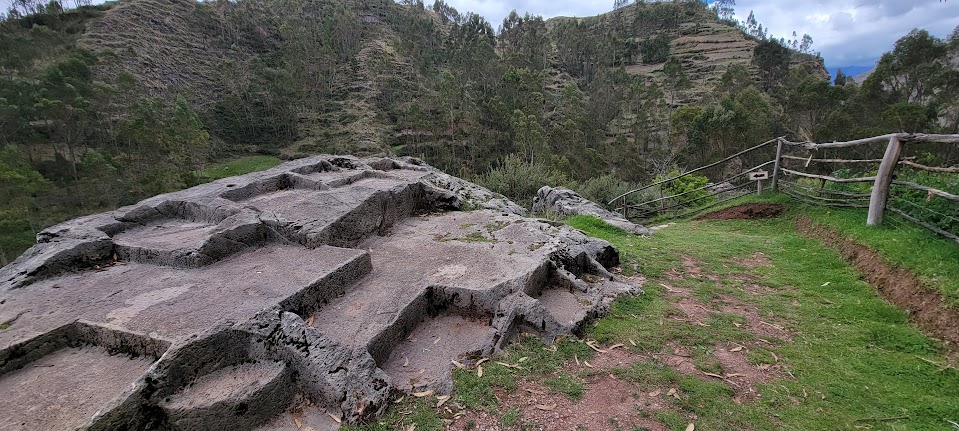
On March 20th, 2027, we'll be at Chinchero for a private equinox ceremony led by Edgar and Wilco as the sun rises over the Sacred Valley. Getting there takes twelve days through the most impossible stonework in South America — including a full day at Killarumiyoq the day before.

Dates
Mar 14–25, 2027
Length
12 days
From
$4,500
Equinox ceremony at Chinchero

Your Guides

Who you'll be traveling with

Aaron Hynes

Tour Lead

Aaron Hynes is a field researcher from Idaho who has documented over 100 ancient sites across Peru, Bolivia, Mexico, Montana, and Easter Island. In Peru alone, his fieldwork spans Sacsayhuaman, Ollantaytambo, Chinchero, Machu Picchu, Naupa Iglesia, Pikillaqta, and a dozen others. He's made multiple trips to Tiwanaku and Puma Punku in Bolivia, filmed at Ahu Tongariki and Vinapu on Easter Island, and walked the major sites of the Yucatan and Teotihuacan. In Montana, he discovered and documented the Pipestone Wall, featured on Episode 21 of Breaking Ancient News.

He runs the Megalithic Mystery YouTube channel and posts fieldwork at @megalithicmystery on X. Weekly, he co-hosts the Breaking Ancient News podcast alongside Cody McDonald and Dave Floyd. His focus is the Younger Dryas impact hypothesis and evidence suggesting a pre-flood global civilization — but his method is evidence-first. He takes measurements, documents precision, and asks specific questions about construction techniques. No ancient aliens. No conspiracy theories. Just honest questions the academic record hasn't addressed.

Aaron has also led service projects in Peru with Edgar Pumayalli Huarhua, delivering supplies to remote mountain communities above Chinchero. He now runs private tours to Peru, Mexico, and Montana for people who want to see these sites up close and ask their own questions.
megalithicmystery.com →

Edgar Pumayalli Huarhua

Local Expert & Ceremony Lead

Edgar Pumayalli Huarhua grew up in Chinchero, a town at 3,762 meters in Peru's Sacred Valley. He's a licensed Peruvian guide who speaks Spanish and Quechua. He owns Chinchero Boutique Hotel & Tours, currently the top-rated hotel in Chinchero on TripAdvisor, and runs Machu Picchu Spirit, a travel agency focused on culturally immersive Andean trips.

For several years, Edgar has studied Killarumiyoq, a carved-rock complex in the hills above Chinchero, working alongside archaeoastronomy researchers to document the site. He leads the equinox sunrise ceremony at the Chinchero Inca ruins — a role that draws on both his local knowledge and his years of guiding in the region.

Beyond tourism, Edgar coordinates community service days with families in Chinchero. He and Aaron Hynes have partnered on projects delivering supplies to remote mountain communities above town. On this tour, Edgar handles local logistics, guides the group through Inca sites, and connects travelers with the people and places he knows best.

machupicchuspirit.com →

Most people see Peru through a bus window.

They get forty minutes at Sacsayhuaman, a guide reciting the copper-chisel story, and a gift shop. Then they go home and tell people they've seen it.

This is not that trip. We go to the sites that don't appear on the standard circuit — Naupa Iglesia, Mau'Kallaqta, Inkilltambo — and we stay long enough to actually look at them. You will leave with better questions than you arrived with. That's the whole point.

Build Your Trip

Three parts. Take what you want.

The twelve-day main tour is the core, and it stands on its own. Bolt on the coast pre-tour, the Easter Island extension, both, or neither.

The Main Event

March 14–25, 2027 · 12 days

Equinox in the Andes

The main event. Twelve days through the Sacred Valley, Machu Picchu, and the polygonal stonework nobody can explain — timed so we're standing at Chinchero for an equinox sunrise ceremony with Edgar and Wilco.

$4,500per person, sharing

Own room: +$1,000 single supplement

March 10–13, 2027 · 4 days

Pre-Tour: Coast & Desert

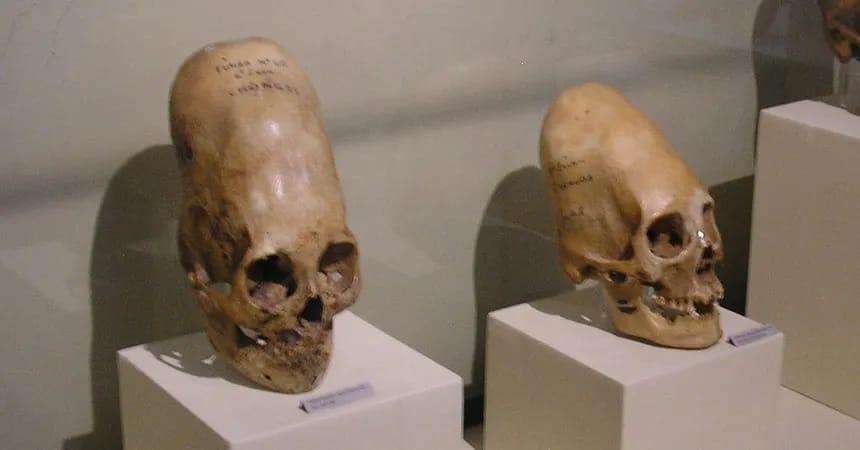
Four days on the coast before the main group lands. Elongated skulls, the Nazca Lines from the air, and a sand oasis in the middle of the desert.

$2,000per person

Own room: +$350

March 26–30, 2027 · 5 days

Easter Island Extension

Five days on the most remote inhabited island on Earth. Group flights from Lima are included in the price — no separate airfare to sort out.

$3,800per person

Own room: +$500

Day by Day

Where we go, and why

Click any day to see full details: photos from the sites, what we'll actually do there, and the schedule.

Pre-Tour: Coast & Desert

Optional · March 10–13, 2027
Pre-Tour Day 1 · Mar 10Meet in Lima
Meet in Lima - 1

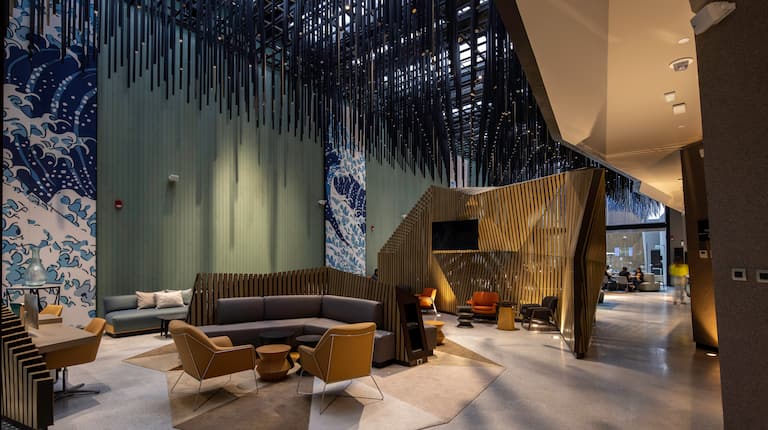
Hilton Garden Inn, Miraflores

Difficulty:Easy — arrival and introductions

Miraflores sits on clifftops above the Pacific, part of a city of twelve million. Pre-Columbian sites, Spanish colonial architecture, and restaurants ranked among the best in South America occupy the same few blocks. The Huaca Pucllana pyramid, a few streets from the hotel, dates to 500 CE.

Tonight stays light. International flights into Lima typically arrive late afternoon or evening. The group meets, has dinner together, and turns in early. Tomorrow's flight to Ica departs at 6:15 AM.

Schedule

7:00 PMMeet in the lobby of Hilton Garden Inn
7:15 PMWelcome and cleansing ceremony — trip preparation
8:00 PMDrinks and socializing
9:00 PMHARD BEDTIME — early flight tomorrow
Pre-Tour Day 2 · Mar 11Elongated Skulls & Ica Stones
Elongated Skulls & Ica Stones - 1
Elongated Skulls & Ica Stones - 2

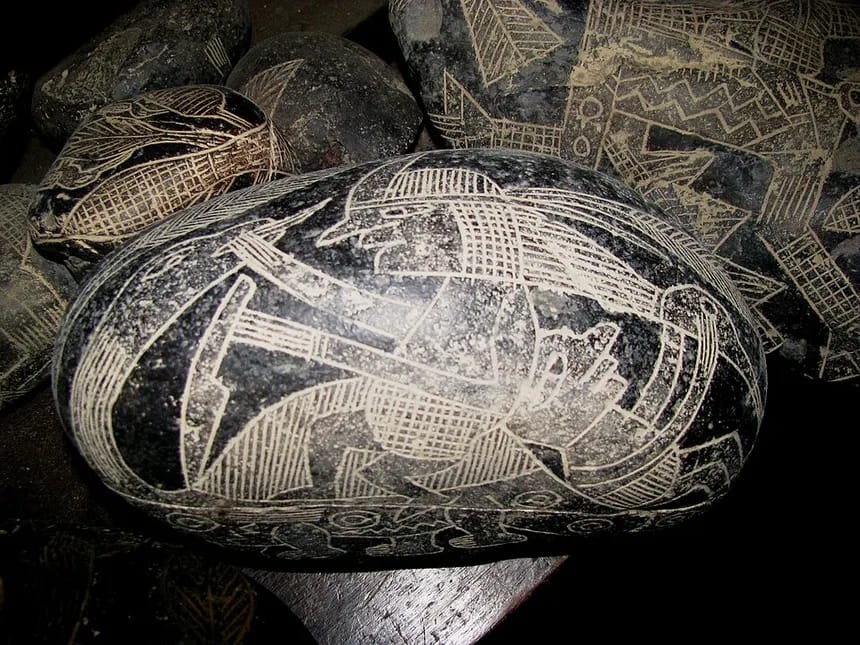
Elongated skulls, Paracas · Ica engraved stones, Javier Cabrera Museum — Aaron Hynes

Difficulty:Easy — bus day with short museum walks

Casa Museo Sumaq in Paracas holds a collection of elongated skulls from the Paracas culture (800 BCE to 100 BCE). Some specimens show cranial volume 25% larger than typical human skulls, with suture patterns that differ from skulls shaped by intentional binding. DNA analysis published in 2018 found haplogroups not previously recorded in the region.

The Javier Cabrera Museum in Ica displays over 10,000 engraved andesite stones collected between the 1960s and 1990s. The carvings depict surgeries, extinct animals, and astronomical diagrams. Mainstream archaeology classifies them as modern forgeries; Cabrera documented finding stones in sealed Inca tombs during witnessed excavations. The museum presents both positions.

Huacachina is a natural oasis in the Ica desert: a freshwater lagoon ringed by dunes over 100 meters tall. The afternoon is free for sandboarding, dune buggies, or rest.

Schedule

6:00 AMMeet in hotel lobby — 6:15 departure (breakfast on bus)
10:15 AMCasa Museo Sumaq, Paracas — elongated skulls (2 hrs)
12:30 PMLunch in Paracas (provided)
3:00 PMJavier Cabrera Museum, Ica — Ica Stones (1.5 hrs)
5:00 PMCheck into hotel in Huacachina — free time
Pre-Tour Day 3 · Mar 12Nazca Lines
Nazca Lines - 1

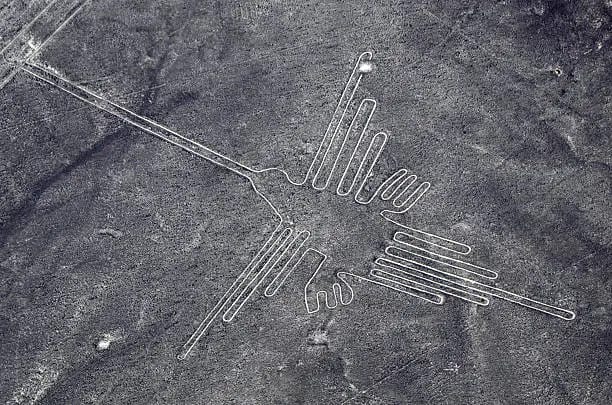
Nazca Lines — Aaron Hynes

Difficulty:Easy — overflight and free afternoon

The Nazca Lines cover approximately 450 square kilometers of desert plateau. Over 800 straight lines, 300 geometric figures, and 70 animal and plant designs have been documented. The Hummingbird measures 50 meters. The Spider runs 46 meters with legs geometrically precise to within centimeters. The largest figures exceed 200 meters and are visible only from altitude.

The lines were made by removing the reddish pebbles of the desert surface to expose the lighter ground beneath. Radiocarbon dating of wooden stakes found at line endpoints places construction between 500 BCE and 500 CE. The Nazca culture left no written records explaining the purpose. Proposed functions include astronomical calendars, ritual pathways, and water-finding markers; none has been confirmed.

The overflight lasts 30 to 45 minutes in a Cessna. The plane banks to give both sides of the cabin a view of each major figure: Hummingbird, Spider, Monkey, Condor, and the figure called the Astronaut.

Schedule

6:30 AMMeet in hotel lobby — depart for Ica Airport (breakfast provided)
7:30 AMNazca Lines overflight — approx. 30–45 min per plane
12:00 PMLunch (provided)
3:00 PMReturn to hotel in Huacachina
4:00 PMFree time — oasis, sandboarding, ATVs, or rest
Pre-Tour Day 4 · Mar 13Ballestas Islands & Candelabra
Ballestas Islands & Candelabra - 1
Ballestas Islands & Candelabra - 2

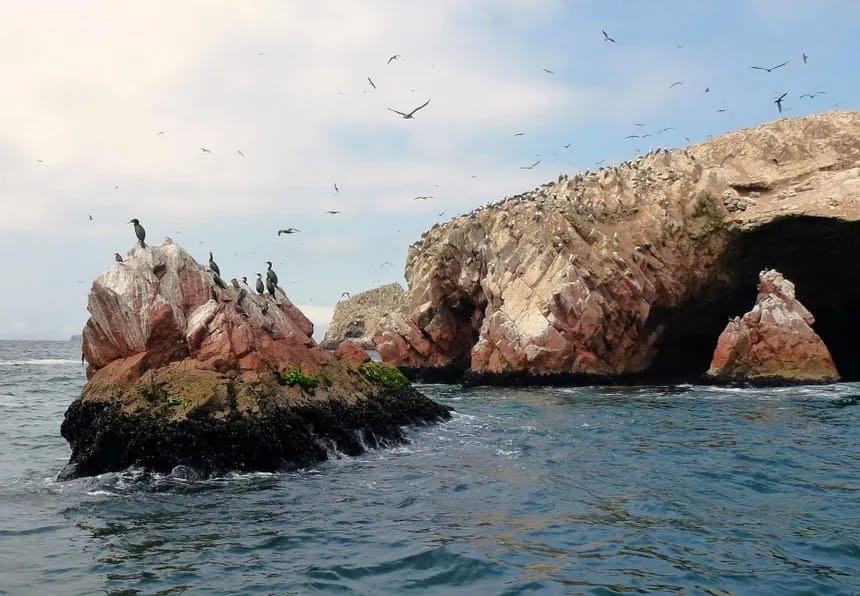
Ballestas Islands · the Candelabra geoglyph — Aaron Hynes

Difficulty:Easy — boat excursion

The Ballestas Islands support colonies of South American sea lions, Humboldt penguins, Peruvian pelicans, Peruvian boobies, and Inca terns. Guano deposits cover the cliff faces; the islands were a major source of fertilizer exports in the 19th century. The boat passes close enough to photograph animals on the rocks.

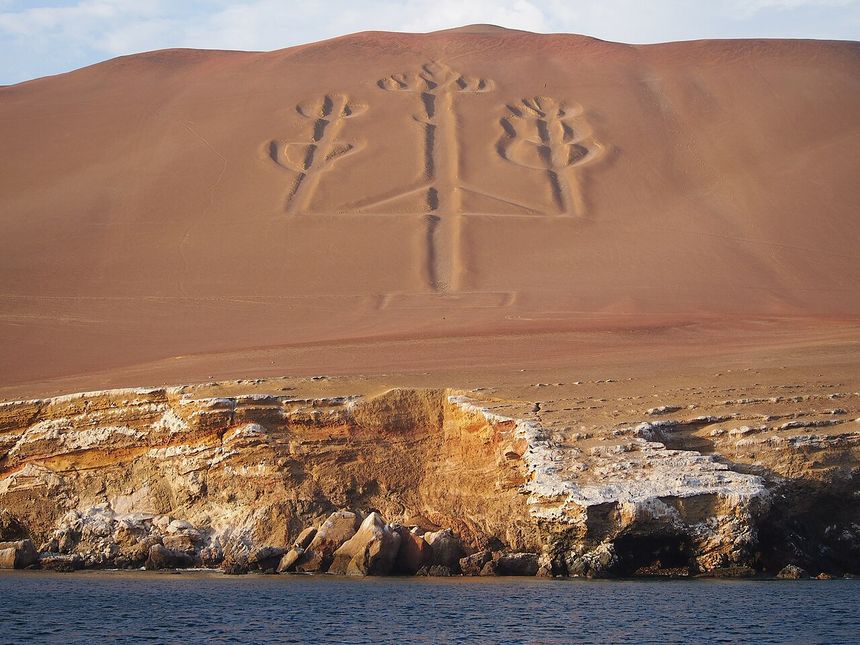
The Candelabra is a geoglyph carved into the coastal hillside, 180 meters tall and visible from 20 kilometers at sea. It faces the ocean, not the land. No excavation of the site has produced datable organic material. Its age and purpose are unresolved; proposed dates range from 200 BCE (Paracas culture) to the 18th century.

Late afternoon, the full group assembles in Lima for the first time: pre-tour and main tour participants together. Dinner is at a restaurant in Miraflores; the cost is on your own.

Schedule

7:00 AMBreakfast together
8:30 AMCheck out — depart for Paracas
10:00 AMBoat excursion to Ballestas Islands & Candelabra
3:00 PMDepart for Lima
6:30 PMArrive Hilton Garden Inn Miraflores — full group assembles
7:30 PMWelcome dinner (own expense)

Main Tour: Equinox in the Andes

March 14–25, 2027
Day 1 · Mar 14Cusco — Arrival & the Temple of the Sun
Cusco — Arrival & the Temple of the Sun - 1

Qoricancha · Hilton Garden Inn Cusco — Aaron Hynes

Difficulty:Easy — travel day. REST. Altitude hits hard.

Cusco sits at 3,400 meters in a high valley ringed by peaks over 5,000 meters. The Inca Empire governed from here, administering territory from Ecuador to Chile. Altitude sickness affects most visitors regardless of fitness; symptoms typically onset 6 to 12 hours after arrival. The schedule stays light to allow acclimatization.

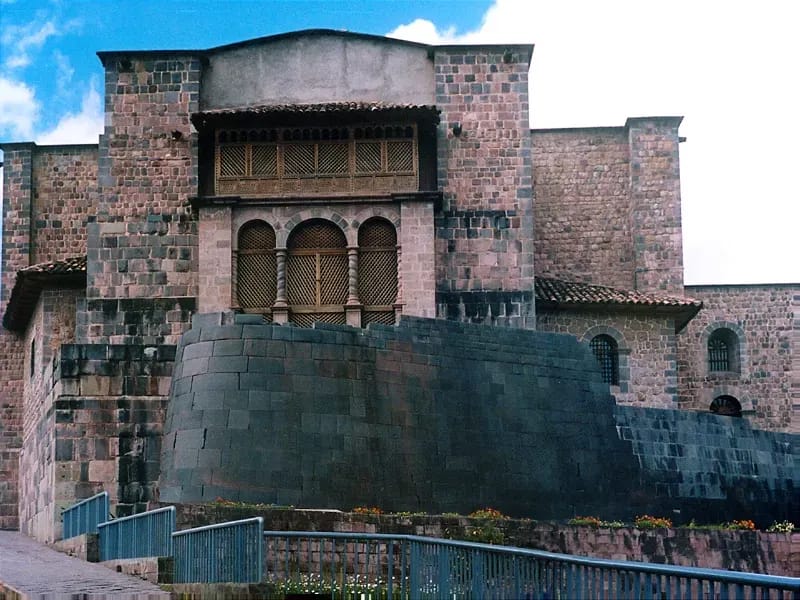
The Megalithic Wall of the Puma on Hatun Rumiyoq street contains the twelve-angled stone: a single block fitted into the wall with twelve exterior faces, each joint sealed tight without mortar. Qoricancha, the Temple of the Sun, stands beneath the Church of Santo Domingo. The Spanish built the church directly on Inca foundations; the original curved retaining wall remains intact. The interior surfaces of that wall are finished to tolerances difficult to achieve with bronze tools.

Schedule

6:30 AMDepart Lima hotel for airport
8:00 AMFlight Lima → Cusco (approx. 1h15m)
10:00 AMLand in Cusco — transfer to hotel
11:00 AMCheck in. REST and acclimatize.
2:00 PMWalking tour — Plaza de Armas, Megalithic Wall of the Puma
3:30 PMQoricancha — Temple of the Sun
6:00 PMDinner (own expense)
9:00 PMHARD BEDTIME
Day 2 · Mar 15Pisac & the Sacred Valley
Pisac & the Sacred Valley - 1

Pisac ruins above the Sacred Valley · Aaron Hynes

Difficulty:🥾🥾 Moderate — hiking at Pisac ruins, drive to Sacred Valley

Cocahuasi Animal Sanctuary rehabilitates Andean wildlife including condors, spectacled bears, and pumas. The Andean condor has a wingspan up to 3.3 meters and a flight ceiling above 5,000 meters. The sanctuary keeps birds that cannot be released due to injury; visitors can observe them at close range.

The Pisac ruins occupy a ridge above the market town. Terraces run the full slope, with a ceremonial sector and cemetery cut into the cliffs. The Intihuatana at the summit is a carved granite pillar aligned to solstice and equinox sunrise positions. The climb from the parking area takes approximately 45 minutes.

The drive down to Urubamba drops below 2,900 meters. Lower altitude reduces the risk of altitude sickness and improves sleep quality for the next several days in the Sacred Valley.

Schedule

7:00 AMBreakfast at hotel
8:00 AMDepart for Cocahuasi
9:00 AMCocahuasi Animal Sanctuary (1.5 hrs)
11:30 AMDrive to Pisac ruins
12:30 PMPisac ruins — Intihuatana sector (2.5 hrs)
2:00 PMLunch in Pisac (provided)
4:30 PMDrive to Urubamba — check in
7:00 PMDinner (own expense)
Day 3 · Mar 16Ollantaytambo & Naupa Iglesia
Ollantaytambo & Naupa Iglesia - 1
Ollantaytambo & Naupa Iglesia - 2

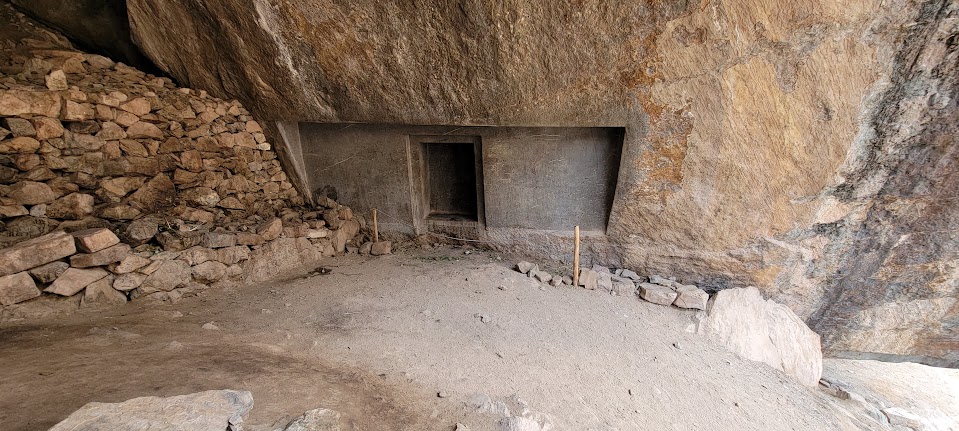
Ollantaytambo Wall of Six Monoliths · Naupa Iglesia carved niche — Aaron Hynes

Difficulty:🥾🥾🥾 Hard — stairs at Ollantaytambo, rough trail to Naupa Iglesia

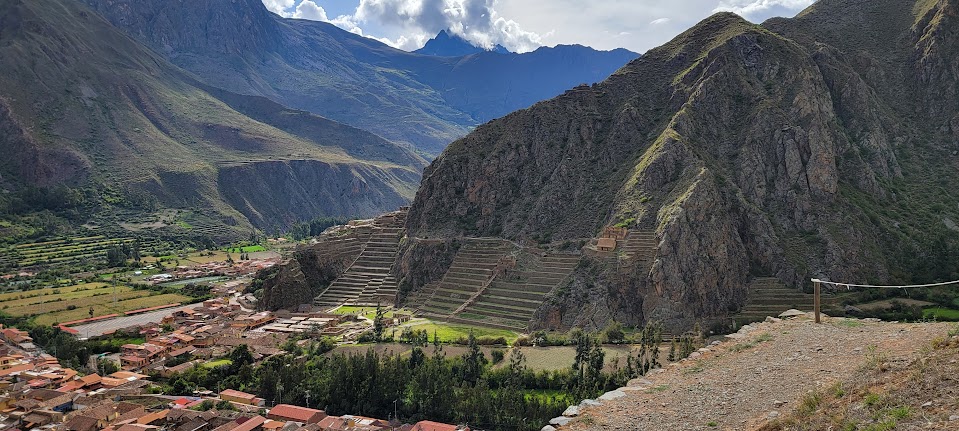
The Wall of Six Monoliths at Ollantaytambo used stones over 50 tons, quarried from Cachicata across the valley, transported over the Urubamba River, and raised up a near-vertical slope. The six monoliths are separated by tapered spacer stones and joined without mortar. The stepped motifs carved into the faces are a feature found at Tiwanaku, 400 kilometers to the southeast.

Naupa Iglesia is carved directly into a cliff face above the Urubamba. The site contains a recessed panel, a trapezoidal niche, and a multi-step altar cut from the living rock. The niche interior surfaces are flat to within a few millimeters. A carved arch spans the entrance; arches are not a standard Inca architectural form. No tool marks consistent with bronze chisels are visible on the finished surfaces.

Ollantaytambo is the last continuously inhabited Inca settlement. The town grid below the ruins follows the original Inca plan. Staying overnight allows an early return to the temple complex before tour buses arrive from Cusco.

Schedule

8:00 AMBreakfast at Urubamba hotel
9:00 AMOllantaytambo ruins (2 hrs)
11:30 AMDepart for Naupa Iglesia
1:00 PMNaupa Iglesia (1.5 hrs)
2:30 PMLunch en route (provided)
4:30 PMArrive Ollantaytambo — check in
7:00 PMDinner (own expense)
Day 4 · Mar 17Machu Picchu
Machu Picchu - 1

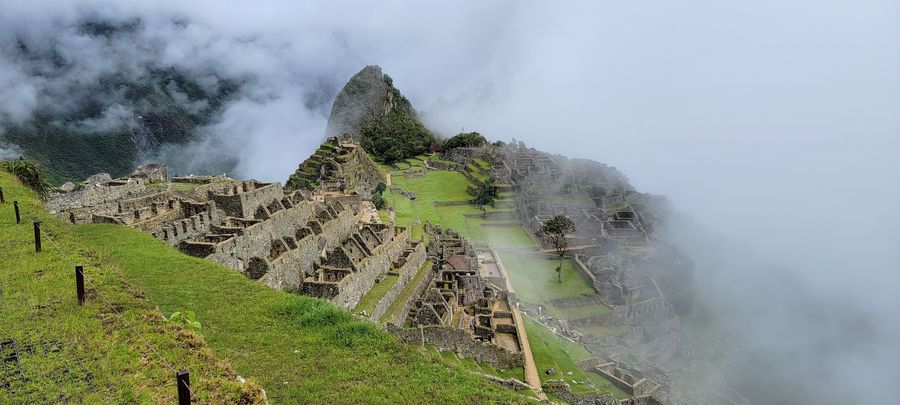
Machu Picchu · Aaron Hynes

Difficulty:🥾🥾 Moderate — lower elevation than Cusco

Machu Picchu sits at 2,430 meters on a ridge between Huayna Picchu and Machu Picchu peaks, surrounded by cloud forest and the Urubamba gorge. The site contains over 200 structures: temples, residences, storehouses, and agricultural terraces. Construction dates to the mid-15th century under Pachacuti.

The Intihuatana is a carved granite pillar at the highest point of the site. The Spanish destroyed most Intihuatanas as instruments of Inca religion; this one survived. The Temple of the Sun wraps a natural granite outcrop; its east-facing window frames the June solstice sunrise, casting light onto a carved stone inside the chamber.

The water system channels spring water from above the site through 16 fountains, one for each residential sector. The fountains still flow. Construction required moving an estimated 60 million cubic feet of earth and stone to create the terraces that stabilize the ridge.

Schedule

5:30 AMMeet in hotel lobby
6:00 AMTrain departs Ollantaytambo → Aguas Calientes (1h30m)
7:30 AMBus to Machu Picchu entrance
9:00 AMEnter Machu Picchu — full day
3:00 PMBegin descent — lunch in Aguas Calientes
4:30 PMReturn train to Ollantaytambo
6:30 PMArrive Ollantaytambo
7:00 PMDinner (own expense)
Day 5 · Mar 18Maras + Moray
Maras + Moray - 1

Moray circular terraces — agricultural laboratory of the Inca · Aaron Hynes

Difficulty:🥾 Easy to moderate — shorter walks, high altitude

Maras consists of approximately 3,000 shallow salt evaporation ponds carved into a hillside, fed by a single hypersaline spring. The spring produces water with 28% salinity year-round. Families have held hereditary rights to specific ponds since before the Spanish conquest. The system has operated continuously for over 1,000 years and still produces salt for local markets.

Moray contains three sets of concentric circular terraces descending into natural depressions. The largest measures 30 meters deep. Temperature measurements show a 15°C difference between the top and bottom rings. Researchers have proposed that the Inca used the site to test crop varieties across simulated altitude zones. The drainage system prevents water pooling without visible erosion after five centuries.

The drive returns to Ollantaytambo for the last night in the Sacred Valley. Tomorrow's route climbs to Chinchero at 3,762 meters.

Schedule

8:00 AMBreakfast at hotel
9:00 AMDepart for Maras salt ponds
9:45 AMMaras salt ponds (1 hr)
11:00 AMMoray circular terraces (1.5 hrs)
12:30 PMLunch (provided)
2:30 PMReturn to Ollantaytambo
3:30 PMFree time — rest, town, ruins
7:00 PMDinner (own expense)
Day 6 · Mar 19Killarumiyoq — Walking the Site
Killarumiyoq — Walking the Site - 1

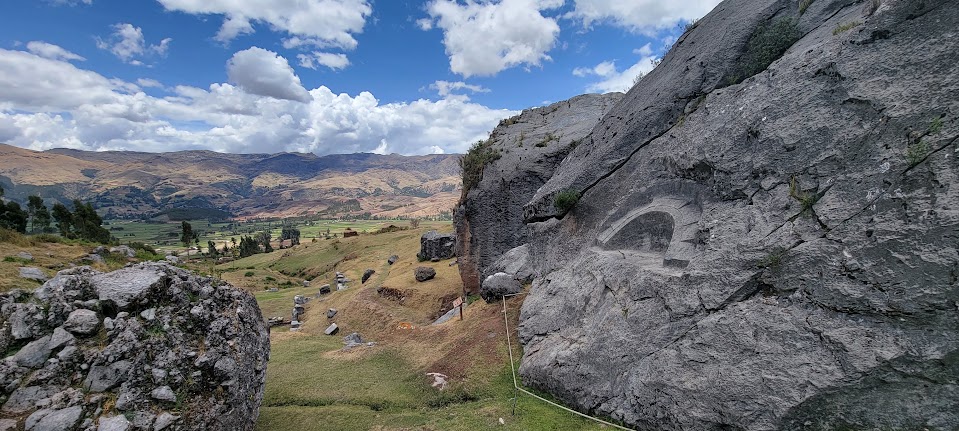
Killarumiyoq — carved arc niche with Sacred Valley below · Aaron Hynes

Difficulty:🥾🥾🥾 Hard — significant elevation, rough terrain
Guided by Edgar Pumayalli Huarhua, licensed Peruvian guide · machupicchuspirit.com

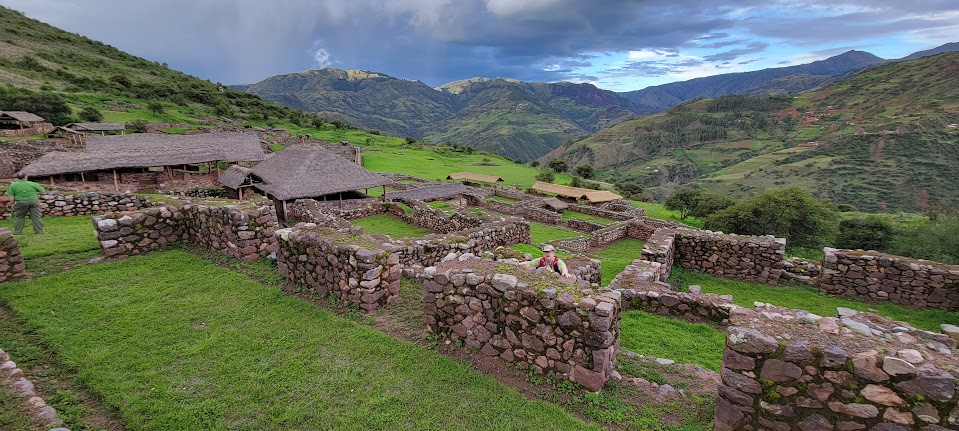
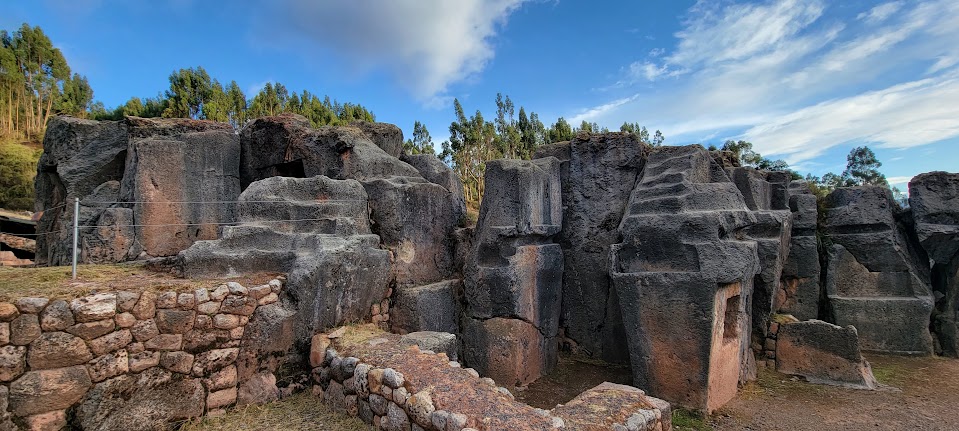
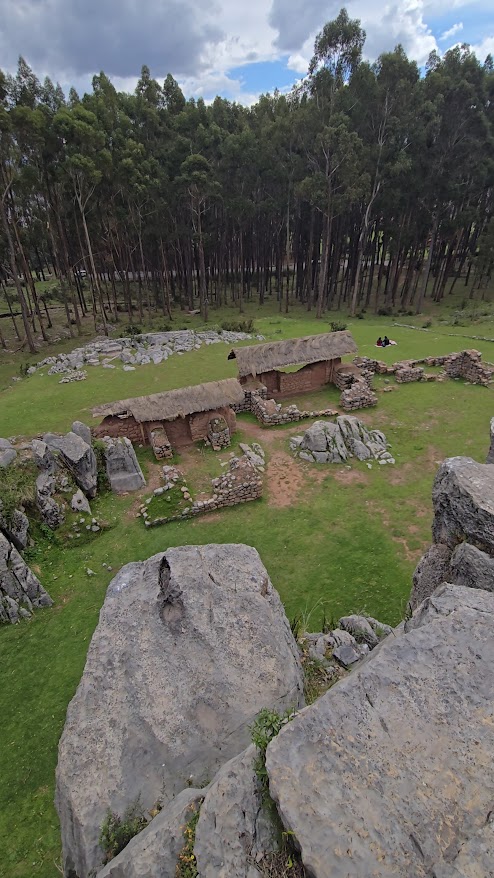
Killarumiyoq sits at over 4,000 meters in the mountains above Chinchero. The site is a carved stone complex: platforms, alcoves, angular recesses, and sections of polygonal wall cut directly into the living bedrock. The site receives few visitors and does not appear on most tourist itineraries.

Edgar and Wilco have documented the site over multiple years. Today's walk covers the full complex with their guidance: the carved chambers, the sightlines to horizon features, and the relationship between specific carved elements and solar positions at solstice and equinox. This context prepares for tomorrow's ceremony.

The drive down to Chinchero takes approximately one hour. Dinner includes a briefing on the next morning's schedule; the equinox ceremony begins before dawn.

Schedule

7:00 AMDepart Ollantaytambo — drive to Killarumiyoq
9:00 AMArrive Killarumiyoq — begin full site walk with Edgar & Wilco
12:00 PMLunch at the site (provided)
1:00 PMContinue site exploration — upper sectors
3:30 PMDepart for Chinchero
4:30 PMCheck in, Chinchero
6:00 PMDinner and briefing for tomorrow's ceremony (provided)
Day 7 · Mar 20★ The Reason We GoEQUINOX CEREMONY — Chinchero
EQUINOX CEREMONY — Chinchero - 1
EQUINOX CEREMONY — Chinchero - 2

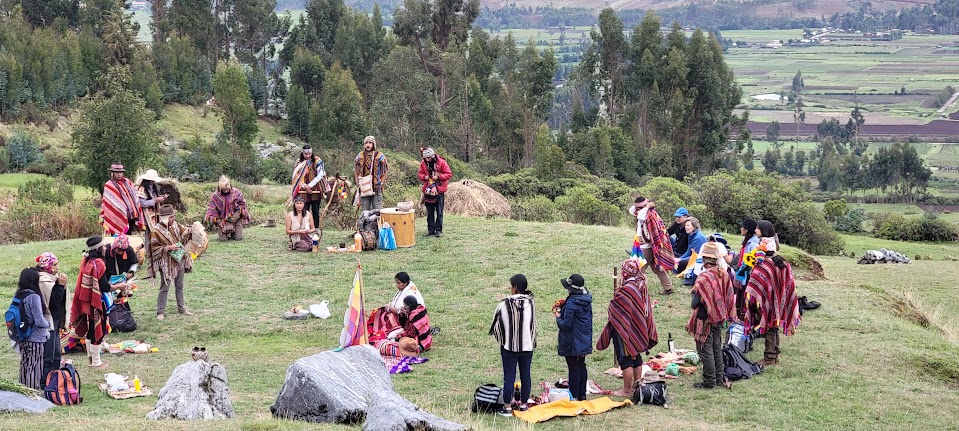
Equinox ceremony at Chinchero · Chinchero Inca ruins — Aaron Hynes

Difficulty:🥾🥾 Moderate — pre-dawn start, community service afternoon
Ceremony led by Edgar Pumayalli Huarhua, licensed Peruvian guide · machupicchuspirit.com

March 20, 2027, is the vernal equinox. Edgar and Wilco lead a private ceremony at the Chinchero Inca ruins beginning before sunrise. The Chinchero site sits on a plateau at 3,762 meters with unobstructed views to the Vilcanota Range. On the equinox, the sun rises at a specific notch in the eastern ridgeline aligned with carved features at the site.

The afternoon is a community service day in Chinchero village. Past projects have included construction, agricultural work, and support for weaving cooperatives. Edgar and Wilco coordinate with local families to identify current needs. Dinner is hosted in local homes; the meal and conversation are arranged through translators.

Schedule

4:30 AMWake up and prepare
5:00 AMWalk to Chinchero Inca ruins — pre-dawn
6:00 AMEquinox sunrise ceremony at Chinchero
9:00 AMReturn to accommodation — breakfast
10:00 AMFree time — rest, explore, connect with the community
12:00 PMLunch (provided)
2:00 PMCommunity service project in Chinchero village
6:00 PMDinner in local family homes
Day 8 · Mar 21Back to Cusco — Sacsayhuaman & Zone X
Back to Cusco — Sacsayhuaman & Zone X - 1
Back to Cusco — Sacsayhuaman & Zone X - 2

Sacsayhuaman · Zone X (Lanlakuyok) — Aaron Hynes

Difficulty:🥾🥾 Moderate — long walks, not much elevation gain

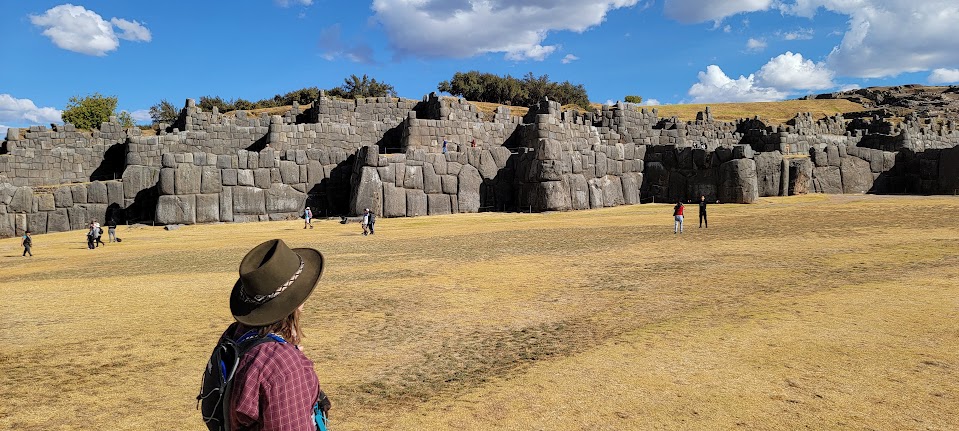
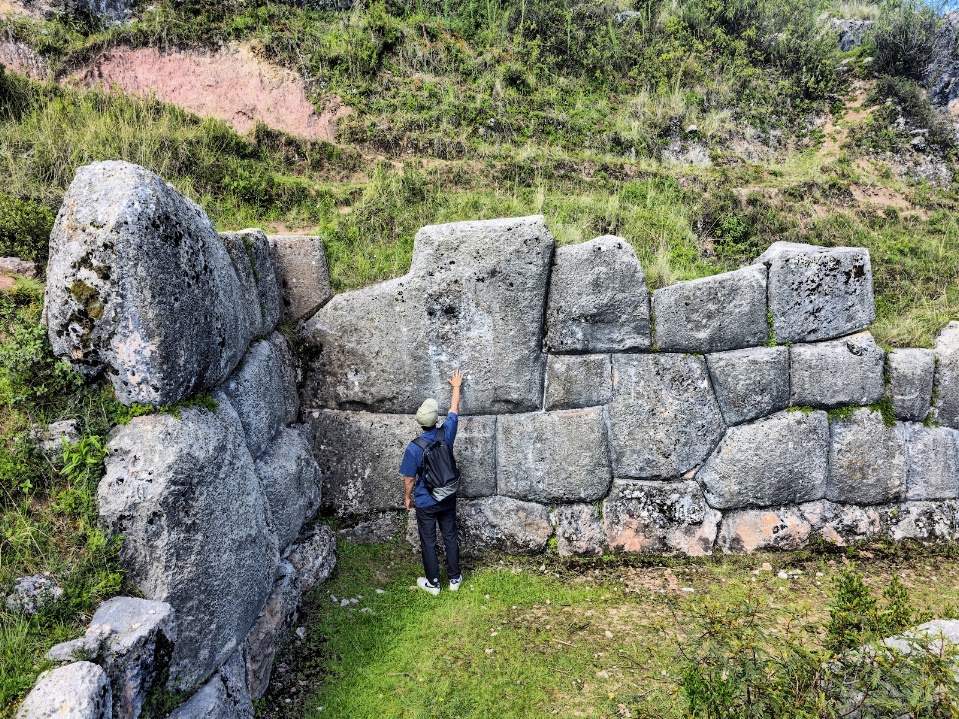
Sacsayhuaman occupies the hill above Cusco at 3,700 meters. The zigzag walls contain polygonal stones up to 120 tons, fitted without mortar. The largest stones came from quarries at Rumiqolqa, approximately 35 kilometers away. The joints between stones are tight enough that a piece of paper cannot be inserted between them. Spanish chronicler Garcilaso de la Vega, writing in 1609, called the construction beyond human capacity.

Zone X lies above the main fortress walls and receives few visitors. The area contains worked bedrock: flat surfaces, channels, basins, and geometric cuts carved into the hillside. No excavation reports have identified the function of these features.

The drive into Cusco takes approximately 15 minutes. The group checks back into the Hilton Garden Inn for the final stretch of the main tour.

Schedule

8:00 AMBreakfast — check out of Chinchero
9:00 AMDepart for Cusco
10:30 AMCheck in Hilton Garden Inn Cusco
11:30 AMLunch (provided)
1:00 PMSacsayhuaman (2 hrs)
3:30 PMZone X (1 hr)
5:00 PMReturn to hotel — rest
7:00 PMDinner (own expense)
Day 9 · Mar 22Tipon & Pikillaqta
Tipon & Pikillaqta - 1
Tipon & Pikillaqta - 2

Tipon water temple · Pikillaqta Wari ruins — Aaron Hynes

Difficulty:🥾🥾🥾 Hard — significant elevation and walking at Tipon

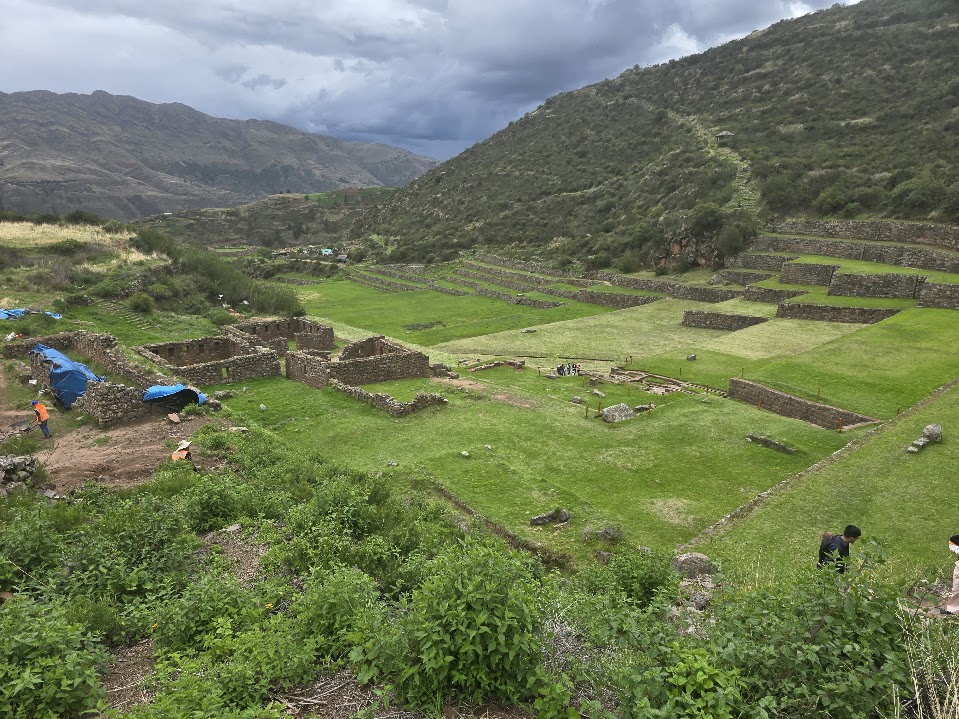
Tipon is an Inca water temple southeast of Cusco. Terraced channels, aqueducts, and fountains distribute water from a single underground spring across the entire site. The system has operated without interruption for over 500 years. Water flow is distributed evenly to each terrace with no visible erosion damage.

The hydraulic engineering controls flow rate and distribution without pumps or pressure vessels. A 2006 ASCE study measured consistent flow rates across all outlets and found the channel gradients precise to within fractions of a degree.

Lunch is at a local restaurant serving cuy (guinea pig) or pork prepared in traditional Cusqueñan style.

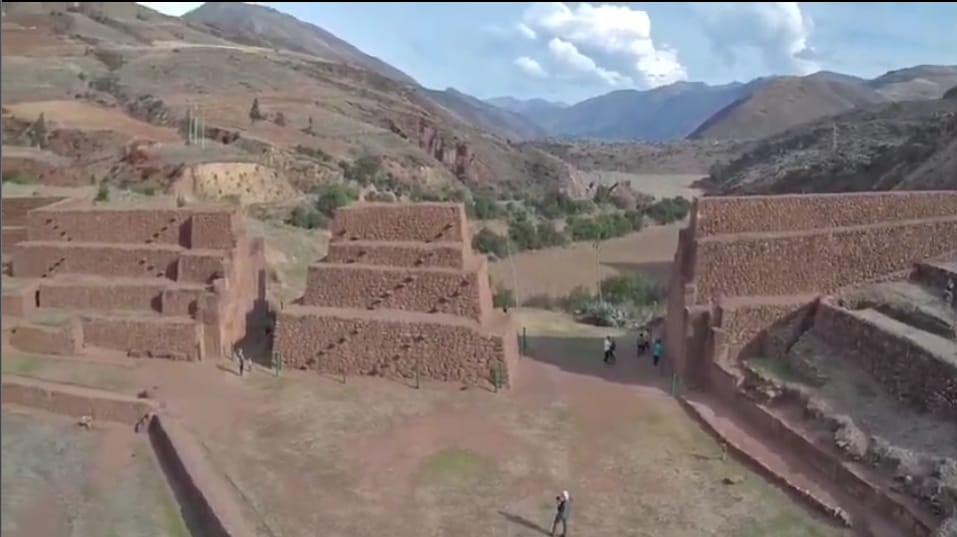
Pikillaqta is a Wari city covering over two square kilometers, built between 600 and 1000 CE before the Inca rose to power. The layout follows a strict grid module. The site was abandoned before Spanish contact; excavations have not determined the cause.

Schedule

8:30 AMDepart Cusco
9:00 AMTipon (2 hrs)
1:00 PMLunch at Tipon — cuy or pork (provided)
2:00 PMPikillaqta
4:00 PMReturn to Cusco
Day 10 · Mar 23Puma Orqo & Mau'Kallaqta
Puma Orqo & Mau'Kallaqta - 1
Puma Orqo & Mau'Kallaqta - 2

Puma Orqo aerial · Mau'Kallaqta corbelled dome — Aaron Hynes

Difficulty:🥾🥾 Moderate — flatter terrain
Guided by Edgar Pumayalli Huarhua, licensed Peruvian guide · machupicchuspirit.com

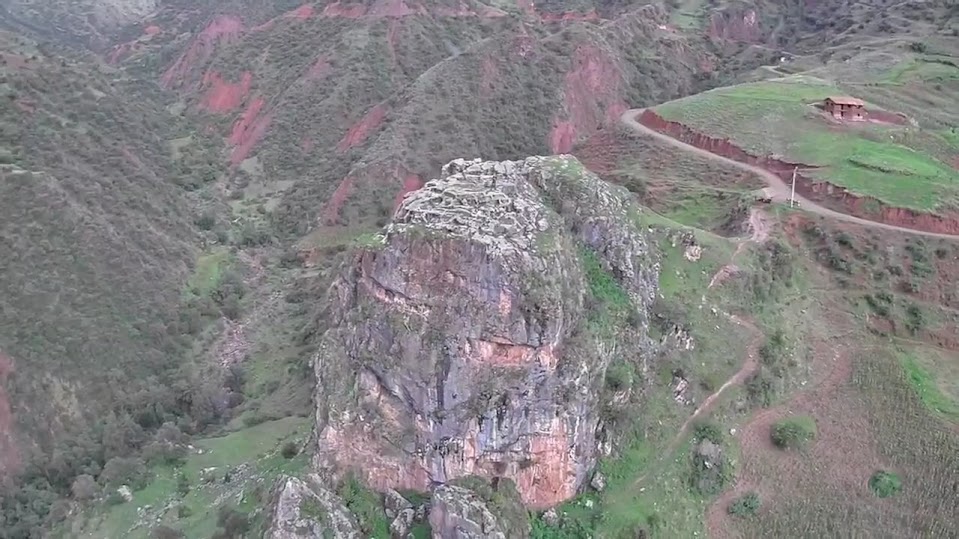
Puma Orqo is a hilltop carved by subtraction. Platforms, steps, basins, and channels have been cut out of the living bedrock rather than built up from quarried stone. The carved surfaces cover the entire summit.

Aerial photographs show the hill's profile resembles a reclining figure. Whether this was intentional or coincidental is unresolved. The carved elements themselves are unambiguous: worked stone surfaces with tool marks consistent with deliberate shaping.

Mau'Kallaqta is a stone tower topped by a fully corbelled dome. Each block in the dome was cut on compound curves, bending in two directions, so the joints close without mortar and the structure is self-supporting. Peer-reviewed archaeology on the site is limited to two survey papers. Lunch is a picnic at the site.

Schedule

8:00 AMDepart Cusco (road coordinates with Edgar/Wilco)
10:00 AMPuma Orqo (45 min)
11:00 AMMau'Kallaqta (3 hrs)
12:30 PMPicnic lunch at the site
4:00 PMReturn to Cusco
6:00 PMDinner (own expense)
Day 11 · Mar 24Inkilltambo + Qochopata
Inkilltambo + Qochopata - 1
Inkilltambo + Qochopata - 2

Inkilltambo carved bedrock sanctuary · Qochopata rock complex — Aaron Hynes

Difficulty:🥾🥾🥾 Hard — heavy hiking to Inkilltambo

Inkilltambo sits on a steep hillside above Cusco. The climb takes approximately one hour from the trailhead. Active excavation continues at the site; blue tarps mark sections under current investigation. The excavated area has expanded in each season since 2018.

The site contains a carved bedrock sanctuary: channels, platforms, and worked recesses cut directly from the hillside. The scale and integration with the natural rock formation distinguish it from freestanding masonry structures.

Qochopata lies behind Qenqo and extends further than the main tourist path reveals. The afternoon is free: San Blas neighborhood, artisan workshops, or rest at the hotel. Dinner is on your own.

Schedule

8:30 AMDepart for Inkilltambo
9:00 AMInkilltambo (4 hrs)
1:00 PMLunch (provided)
2:30 PMQochopata carved rock complex
4:00 PMFree time — San Blas, markets, rest
7:00 PMGroup farewell dinner (own expense)
Day 12 · Mar 25Cusco — Departure
Difficulty:Easy — travel day

The Cathedral of Cusco was built between 1559 and 1654 on the foundations of the Inca Kiswarkancha palace. Inca labor quarried and dressed the stone; Inca masonry remains visible in the lower courses. The baroque facade and interior reflect Spanish colonial design imposed on an Inca footprint.

Inside hangs Marcos Zapata's Last Supper, painted in 1753. The central platter holds cuy instead of lamb. The substitution localized a European religious image for an Andean audience and survived three centuries of Spanish ecclesiastical oversight.

The optional return to Qoricancha's exterior allows a second look at the curved retaining wall after twelve days of examining similar stonework across the region.

The flight to Lima departs at 12:30 PM. The main tour ends on arrival.

Schedule

7:30 AMBreakfast together (provided)
9:00 AMCathedral of Cusco (1 hr)
10:30 AMOptional: brief return to Qoricancha exterior
11:00 AMTransfer to Cusco airport
12:30 PMFlight Cusco → Lima (approx. 1h15m)
2:00 PMArrive Lima — main tour ends

Extension: Easter Island

Optional · March 26–30, 2027
Post-Tour Day 1 · Mar 26Fly Lima → Santiago
Fly Lima → Santiago - 1

Ola Santiago Providencia

Difficulty:Easy — travel day

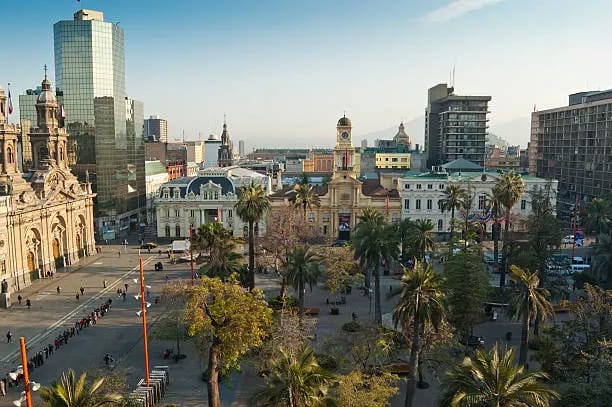
Providencia is a tree-lined neighborhood in central Santiago with cafes, restaurants, and pedestrian streets. Santiago's fish markets and seafood restaurants draw from the Humboldt Current catch landed at Valparaíso, 120 kilometers west.

The Andes are visible to the east on clear days, peaks over 5,000 meters forming the city's horizon. The free afternoon allows rest before the four-hour flight to Easter Island.

Schedule

TBDGroup flight Lima → Santiago
TBDArrive Santiago — transfer to hotel
EveningDinner in Santiago (own expense)
Post-Tour Day 2 · Mar 27Arrive Easter Island
Arrive Easter Island - 1
Arrive Easter Island - 2

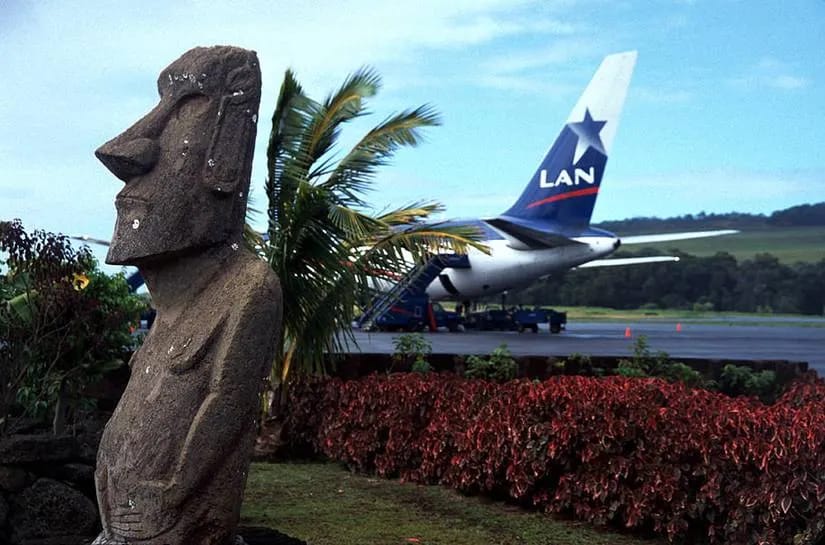
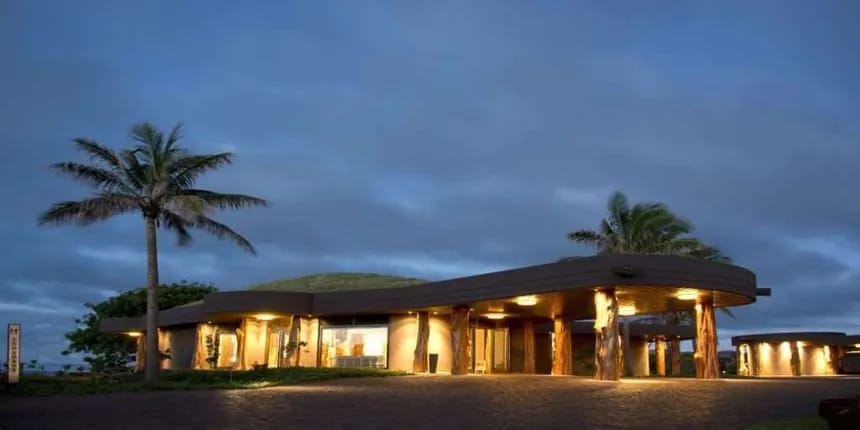
Arriving at Mataveri Airport · Manutara Hotel, Hanga Roa — Aaron Hynes

Difficulty:Easy — arrive and explore town

Easter Island lies 3,700 kilometers from Santiago and 2,075 kilometers from Pitcairn Island, its nearest inhabited neighbor. The island measures 24 kilometers at its longest axis. Hanga Roa, the only town, holds the island's entire population of approximately 7,750.

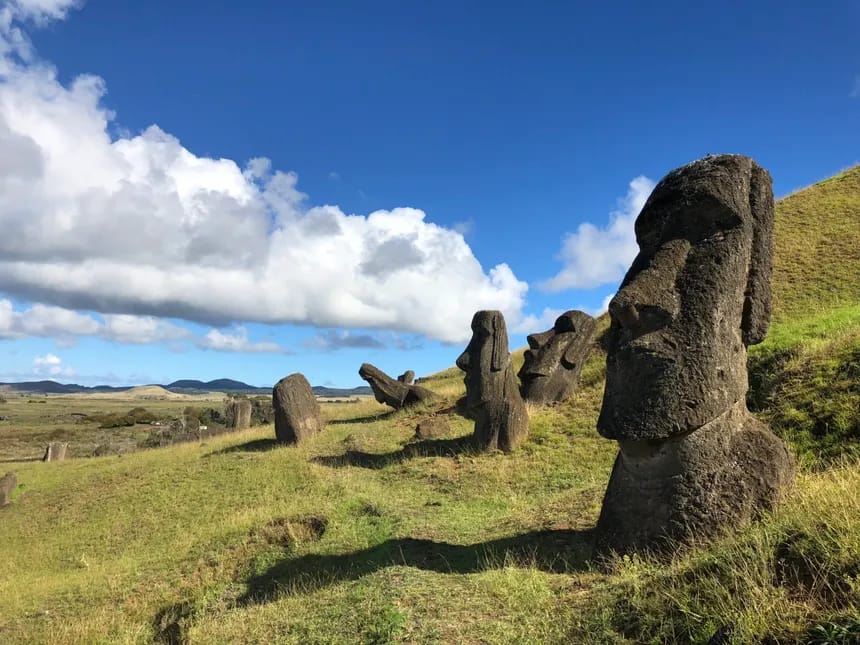
The Rapa Nui arrived by ocean-going canoe, with radiocarbon dates suggesting initial settlement between 800 and 1200 CE. They carved approximately 900 Moai from the volcanic tuff of Rano Raraku, moved them across the island, and erected them on stone platforms called ahu. Moai carving ceased before European contact in 1722. Proposed explanations include resource depletion, population collapse, and internal conflict; the sequence remains under investigation.

Hanga Roa can be walked end to end in an hour. The afternoon is free to explore the town, visit the local museum, or rest after the flight.

Schedule

AMFlight Santiago → Easter Island
2:00 PMArrive Mataveri Airport
3:00 PMCheck into Manutara Hotel, Hanga Roa
4:00 PMExplore Hanga Roa on foot
7:00 PMDinner (own expense)
Post-Tour Day 3 · Mar 28Tongariki, Rano Raraku & Ahu Akivi
Tongariki, Rano Raraku & Ahu Akivi - 1

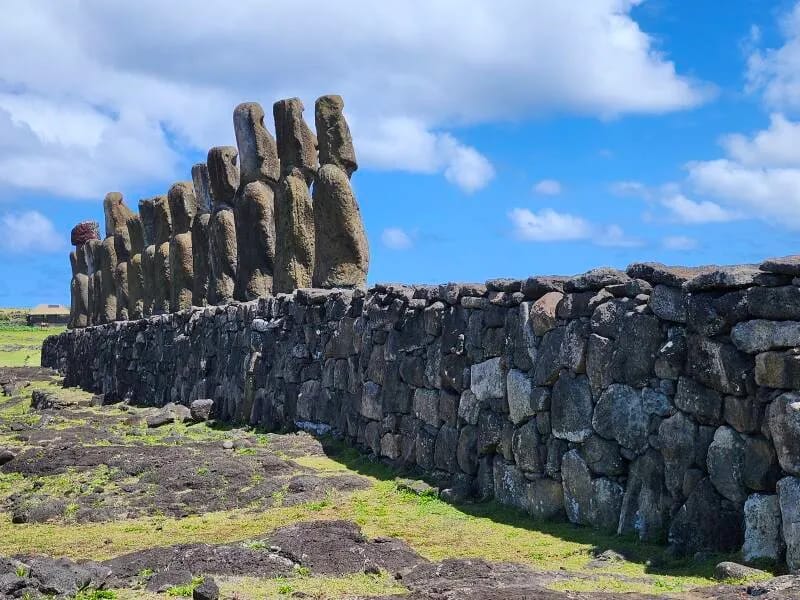
Ahu Tongariki — 15 Moai on the ahu · Rano Raraku quarry — Aaron Hynes

Difficulty:🥾 Easy — walking feels easy after the Andes

Ahu Tongariki holds 15 Moai on a platform 220 meters long, the largest ahu on the island. A 1960 tsunami scattered the stones up to 100 meters inland. Japanese-funded restoration between 1992 and 1996 returned the Moai to the platform using modern cranes. The site faces east; dawn light falls directly on the statues.

Rano Raraku is the quarry where nearly all Moai were carved. Approximately 400 statues remain in the hillside at every stage of completion: roughed out, nearly finished, and abandoned mid-transport. Stone tools lie where they fell.

The largest unfinished Moai measures 21 meters and would have weighed over 270 tons. Carving stopped before European contact. No written or oral records document the reason; the halt appears to have been abrupt.

Schedule

8:00 AMDepart hotel with local guide
9:00 AMAhu Tongariki (1.5 hrs)
11:00 AMRano Raraku quarry (1.5 hrs)
1:00 PMLunch (provided)
2:30 PMAhu Akivi
4:00 PMReturn to Hanga Roa
7:00 PMDinner (own expense)
Post-Tour Day 4 · Mar 29Rapa Nui National Park
Rapa Nui National Park - 1
Rapa Nui National Park - 2

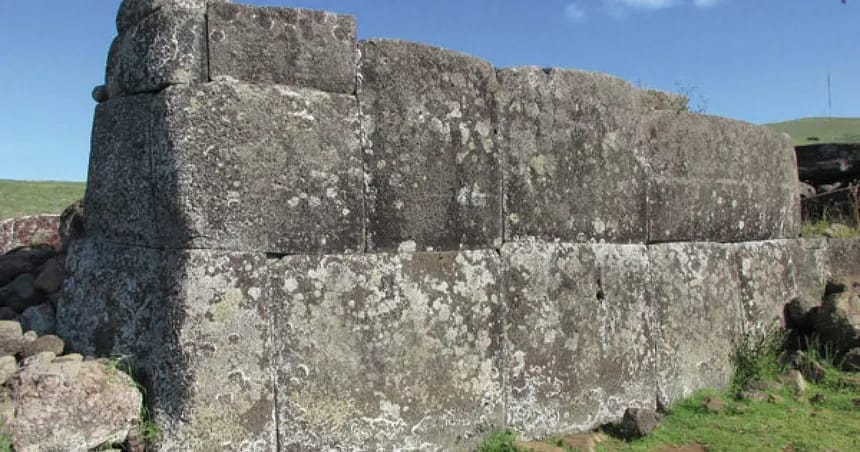
Ahu Nau Nau at Anakena beach · Vinapu megalithic wall — Aaron Hynes

Difficulty:🥾 Easy to moderate

Rano Kau is a collapsed caldera 1.6 kilometers in diameter, its crater holding a freshwater lake dotted with floating totora reeds. The western rim drops 300 meters directly into the Pacific.

Orongo sits on the crater rim: a ceremonial village of 53 stone houses with corbelled roofs set into the clifftop. Petroglyphs cover exposed rock surfaces, predominantly depicting the Birdman figure and the creator god Makemake. The annual Birdman competition required contestants to climb down the cliff, swim 1.5 kilometers to Motu Nui islet, retrieve the first sooty tern egg of the season, and return. The winner's clan held political authority for one year.

Vinapu contains an ahu with flat-fitted polygonal masonry: large blocks dressed and joined without mortar, joints tight enough to exclude light. The technique closely resembles Andean stonework at sites like Ollantaytambo and Sacsayhuaman. Thor Heyerdahl cited Vinapu as evidence of contact; mainstream archaeology attributes the similarity to independent development. The resemblance remains a point of ongoing discussion.

Schedule

8:30 AMDepart hotel with local guide
9:30 AMRano Kau volcano (1 hr)
11:00 AMOrongo ceremonial village (1.5 hrs)
1:00 PMLunch (provided)
2:30 PMAhu Nau Nau at Anakena beach
4:00 PMVinapu megalithic wall
5:30 PMReturn to Hanga Roa
7:00 PMFarewell dinner (provided)
Post-Tour Day 5 · Mar 30Departure — Easter Island to Santiago
Difficulty:Easy — travel day

The return flight to Santiago covers 3,700 kilometers in approximately four hours. The route crosses open Pacific with no land beneath the flight path.

The tour ends on arrival in Santiago. Total duration from Lima assembly to Santiago return: 21 days covering coastal Peru, the Andes at elevations up to 4,000 meters, and the most isolated inhabited island on Earth.

Onward flights depart from Santiago's Arturo Merino Benítez International Airport.

Schedule

AMCheck out of hotel
TBDFlight Easter Island → Santiago
TBDArrive Santiago — tour ends. Safe travels home.

No Surprises

What's in, what's not

Included

  • All accommodation for the segments you book
  • All ground transport between sites
  • Group flights Lima → Easter Island → Lima (extension only)
  • All archaeological site entry fees and permits
  • Daily breakfast, plus lunches on full touring days
  • Welcome and farewell group dinners
  • Aaron Hynes guiding personally — the entire trip
  • Local licensed guides where required by law
  • Equinox ceremony access at Chinchero (led by Edgar and Wilco)
  • Airport transfers on scheduled arrival and departure days

Not included

  • International airfare to and from Lima
  • Travel insurance — required, and you'll want the medical evacuation coverage
  • Peru reciprocity or visa fees, if your passport needs them
  • Dinners not listed as group meals
  • Alcohol and personal bar tabs
  • Laundry, phone, and personal expenses
  • Tips for local guides and drivers
  • Single supplement, if you want your own room
  • Optional Huayna Picchu climb permit

How Payment Works

Simple. Two steps.

A $1,000 deposit holds your spot. The remaining balance is due before departure.

  1. $1K

    Deposit

    Non-refundable. This is what holds your spot.

    Due at booking
  2. $

    Remaining balance

    Full remaining balance — flights, accommodation, and all permits locked in.

    Due January 10, 2027

On the non-refundable deposit: the day you book, money leaves to lock permits, hotel blocks, domestic flights, and equinox access. None of that comes back. That's why the deposit can't be refunded — and why travel insurance is required, not suggested. Insurance covers you if life gets in the way. The deposit can't.

Reserve Your Spot

Come with us

Pick your segments below and the deposit updates as you go. The group is deliberately small — when it's full, it's full.

Personal Information

Address

Contact & Travel Documents

Must be valid for 6+ months beyond March 30, 2027

Special Requirements

Tour Selection

Which segments?
Room type *

Solo travelers can request a roommate match below.

Promo Code

Your Trip

Per person$4,500
Trip total$4,500
Deposit due today$1,000

Balance due: January 10, 2027

Card details are entered on PaySimple's secure page — never on this site. Payments processed by Biennial Update Service LLC. The $1,000 deposit is non-refundable.

Straight Answers

Questions people actually ask

How fit do I need to be?

Moderate. You should be comfortable walking three to four miles on uneven ground and handling stairs at altitude. There's no climbing or technical hiking. If you can manage a full day of walking a city without misery, you'll be fine. The altitude is the real factor, not the terrain — which is why the schedule is built around acclimatizing properly.

What about the altitude, seriously?

Cusco is roughly 11,000 feet and it affects almost everyone a little. The itinerary drops into the Sacred Valley early on purpose to help you adjust. Drink far more water than feels reasonable, skip alcohol the first two days, and talk to your doctor about acetazolamide before you travel. In ten years of leading these, altitude has never ended anyone's trip.

How big is the group?

Deliberately small. This isn't a coach tour with forty people and a flag. Small enough that you can actually ask a question at a site and get a real answer, and small enough to get into places large groups simply cannot go.

Do I have to book the pre-tour and Easter Island?

No. The main tour, March 14–25, stands on its own and is the core trip. The pre-tour and the Easter Island extension are add-ons — take either, both, or neither. Plenty of people do just the twelve days.

What's the room situation?

Prices are per person based on two people sharing. Travelling alone? Either pay the single supplement for your own room, or tell us and we'll try to match you with another solo traveler of the same gender — no supplement if we find a match. There's a spot on the form for it.

Why is the deposit non-refundable?

Because the moment you book, money goes out the door — permits, hotel blocks, domestic flights, and equinox access at Killarumiyoq all get locked in advance and none of it comes back. The deposit covers commitments already made on your behalf. This is exactly why travel insurance is mandatory: insurance covers you if life happens, the deposit can't.

What happens after I pay the deposit?

You get a receipt immediately, and Aaron personally emails you within 24 hours with your confirmation, a full pre-departure pack, packing guidance, and the flight details you'll need. You're not going to be left wondering whether it went through.

Is the equinox ceremony a tourist show?

No. It's not a performance staged for visitors. Edgar and Wilco lead a private ceremony at the Chinchero Inca ruins on the equinox — before the sun is fully up, before anyone else is there. The day before (Day 6), we spend a full day at Killarumiyoq, the carved stone complex above Chinchero, so you understand the landscape and the calendar before the ceremony morning. Treat it with respect and it's the most memorable morning of the trip.

Something not answered here? Ask Aaron directly.